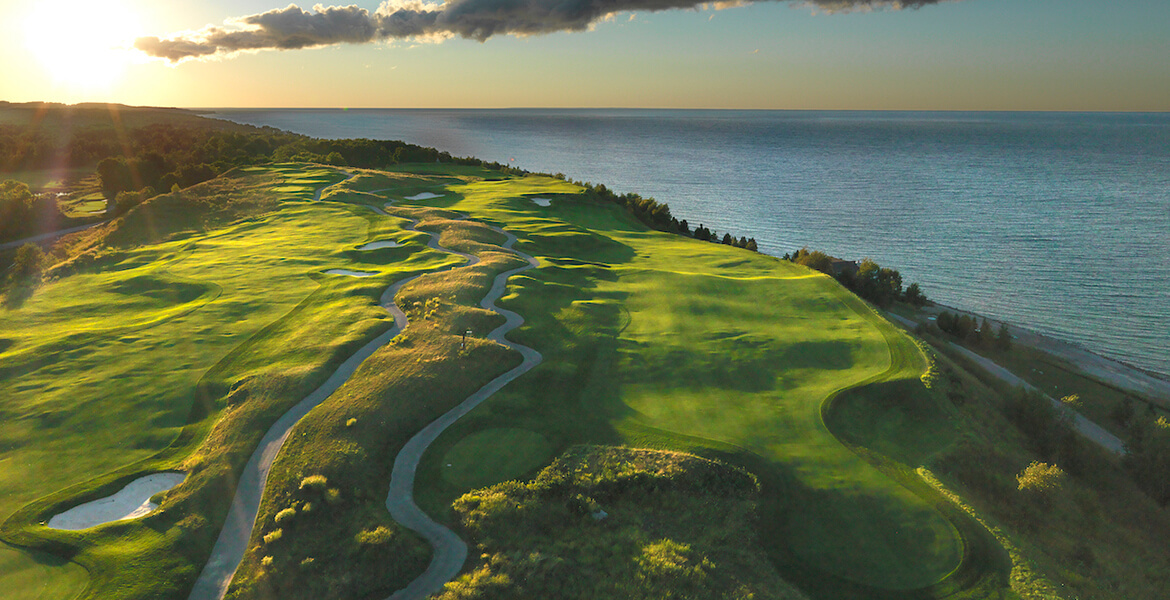
The last few years have been a new golden age for personal golf courses, built by rich folks with the requisite amount of money, land, and dreams
If you were to win the lottery tomorrow, how long would it take you to build your own golf course—and what would you build? Over the last 100-plus years, a handful of the world’s more well-heeled golf enthusiasts have answered the latter question in myriad engaging ways. Some wanted full-on, 18-hole layouts designed to rival the best of the day. Others settled for sporty estate courses of nine holes, or fewer. A few asked their architect of choice to figure out how to work multiple holes into a single, albeit stately, backyard.
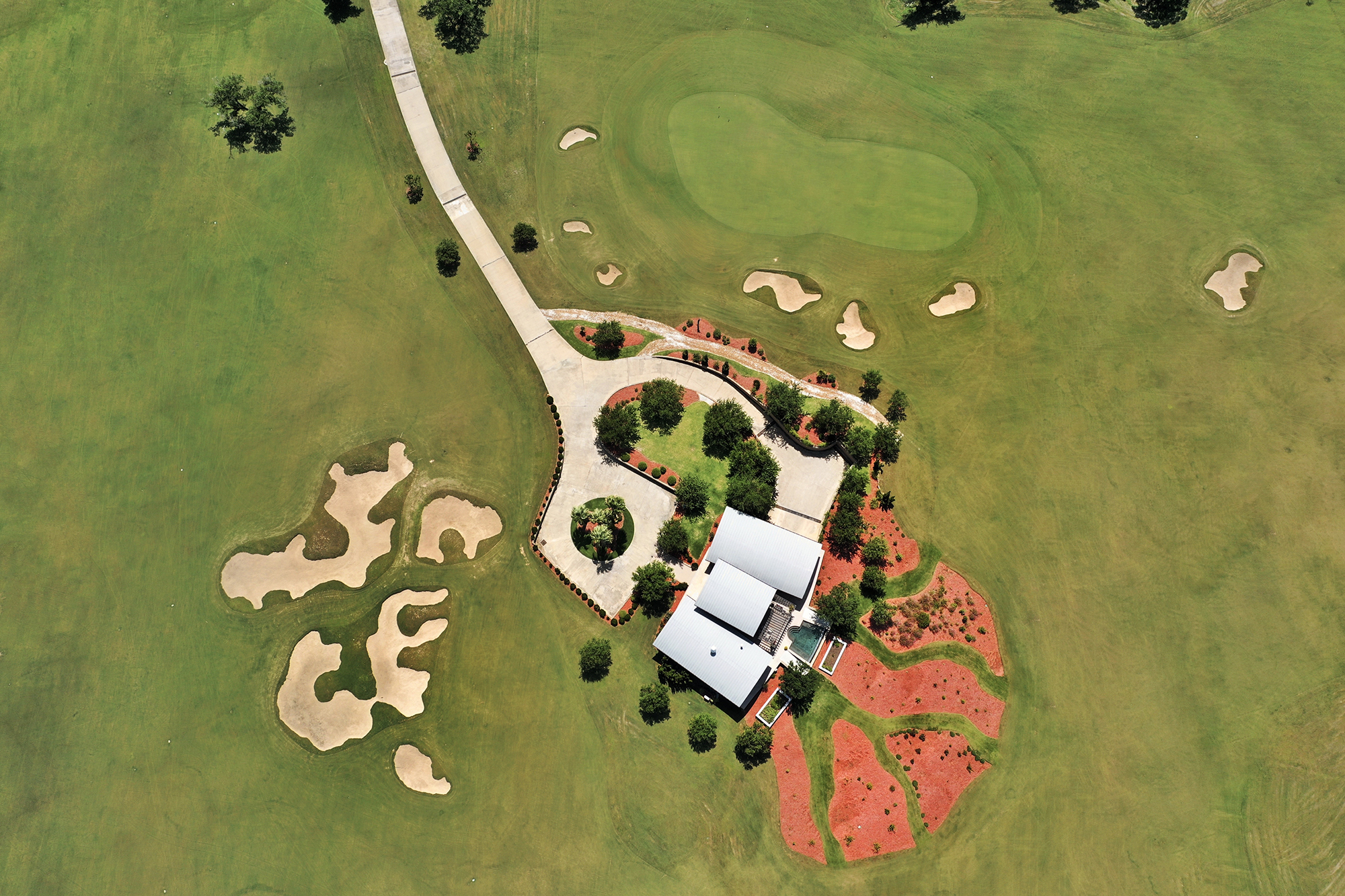
Each had come to the conclusion that just belonging to a top club wasn’t enough. They wanted a true “home course,” where their tee time would be whenever they showed up. It’s a trend that’s still with us—if your pockets are deep enough.
“I think we’re in a new Gilded Age,” says Rees Jones, who’s designed several estate courses for private clients. “Instead of gardens, they’re building golf courses.”
Jones’s forbears, architects whose work was earning widespread acclaim in the early 20th century, had Gilded Age clients of their own. Willie Dunn designed a 12-hole family course, Pocantico Hills, for John D. Rockefeller at his Sleepy Hollow, N.Y., estate; William Flynn later upgraded it to an 18-hole reversible course featuring 13 greens and nine fairways. Percy Rockefeller followed in his uncle’s footsteps down south, where he created Overhills Hunt Club on an 11,000-acre estate adjacent to Fort Bragg, about 20 miles from Pinehurst, N.C. Percy coaxed Donald Ross into designing nine holes there, and later another nine, giving Ross a sprawling canvas of 3,500 acres to work with.
In 1919, American banker Otto Kahn commissioned Seth Raynor to create a personal course on his Long Island estate that featured replicas of some of his favorite holes. Today, that hilly, wooded course is the private Cold Spring Country Club, whose clubhouse is the property’s former stables.
Around the same time, A.W. Tillinghast was busy on the New City, N.Y., estate of Paramount Studios mogul Adolf Zukor, who teed it up there with such stars of the silver screen as Clark Gable and Charlie Chaplin. Today, Zukor’s Mountain View Farm course is a private club called Paramount, its 18 Tilly holes restored by Jim Urbina.
Out west, Flynn was tapped again, this time by Chicago advertising magnate Albert Lasker, who wanted his personal Mill Road Farm course to play tough. Flynn birthed a 7,000-yard leviathan that shared the estate with polo ponies and prize Guernseys. Ever the self-promoter, Lasker put up a $1,000 prize for any guest who could break par, which Tommy Armour eventually did, but not until a decade later.
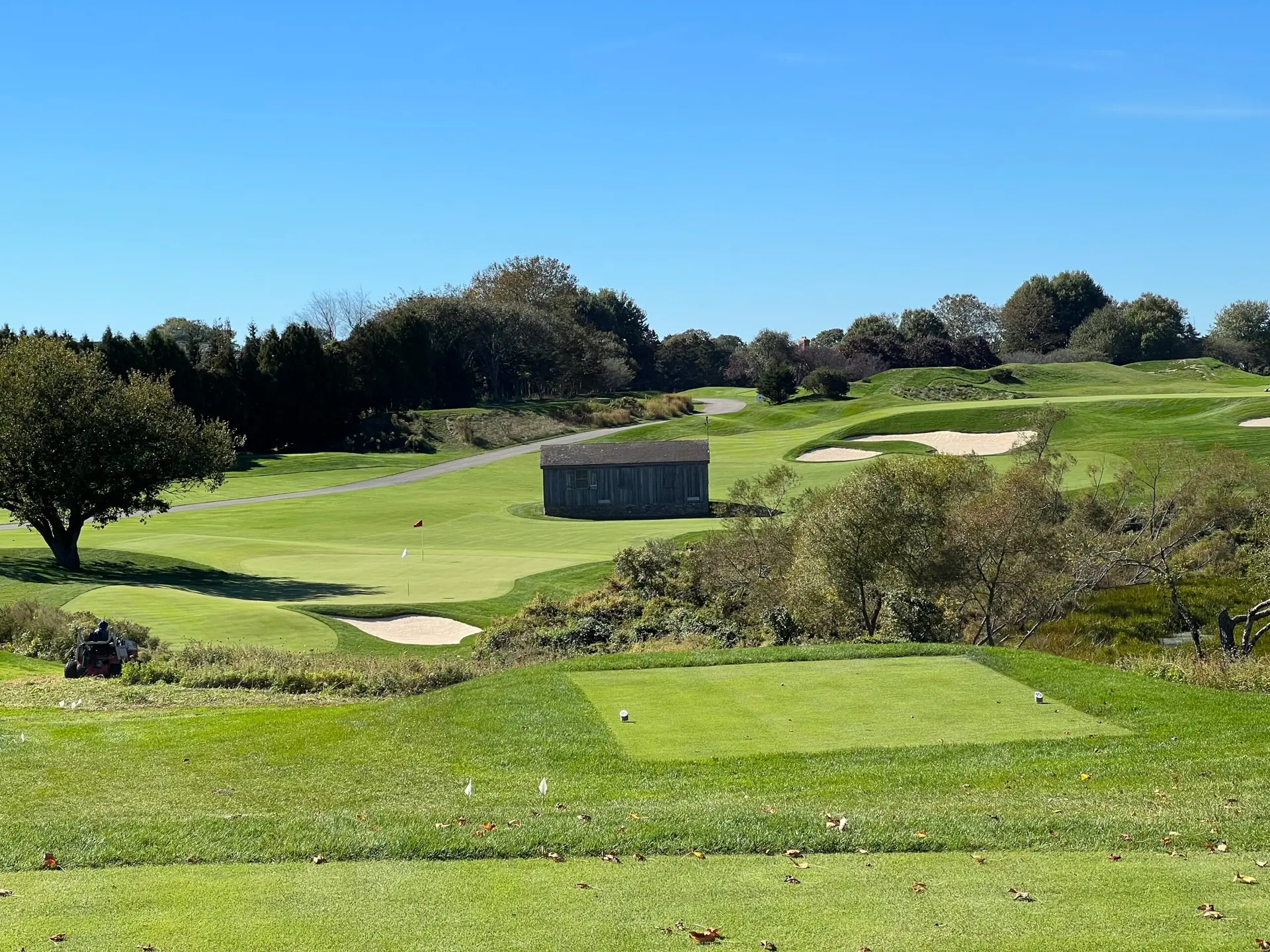
Not to be outdone by his contemporaries, Henry Francis du Pont hired Devereux Emmet to add a course to his Delaware estate. It’s reported that du Pont liked to listen to Metropolitan Opera concerts that blared from speakers in the trees—just one advantage of having your own private fairways. Expanded in 1965 by Dick Wilson, it’s now the private Bidermann Golf Club.
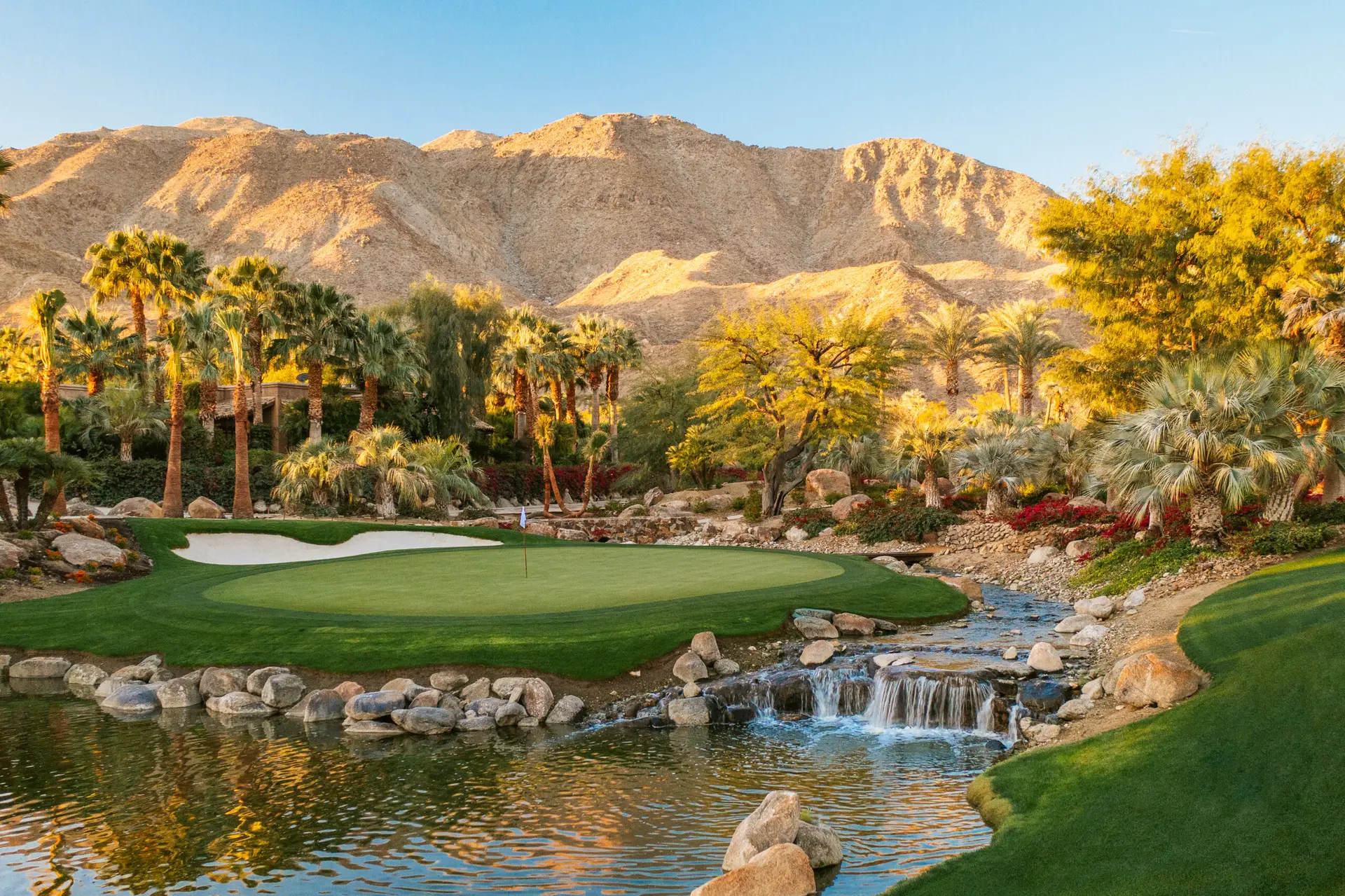
In the decades since, the world’s super-rich have carried on this home-course-building tradition. Freed from the kinds of constraints that members’ clubs and public courses have to contend with, many of those courses took on unusual features. AIG Founder Cornelius Vander Starr’s Morefar Back O’ Beyond course in Brewster, N.Y., now owned by a sister company of AIG, has statues in bunkers that are in play. When Oracle’s Larry Ellison purchased the Porcupine Creek estate of billionaire Tim Blixseth in Rancho Mirage, Calif., he upgraded that property’s course to include a series of bright, colorful, much-larger-than-life Keith Haring sculptures (it’s now part of Ellison’s Sensei Wellness Retreat and playable by guests). Biotech billionaire David Dean Halbert gave Tom Fazio an unlimited budget to create his little piece of golfing heaven, Halbert National, in Texas, and customized it for family use by stocking its lakes with fish and routing walking trails through it that would have no place on a traditional golf course. Then there’s Michael Jordan’s home track in Florida, The Grove XXIII, where drinks arrive by drone and the course’s double-helix design allows for several different playing sequences.
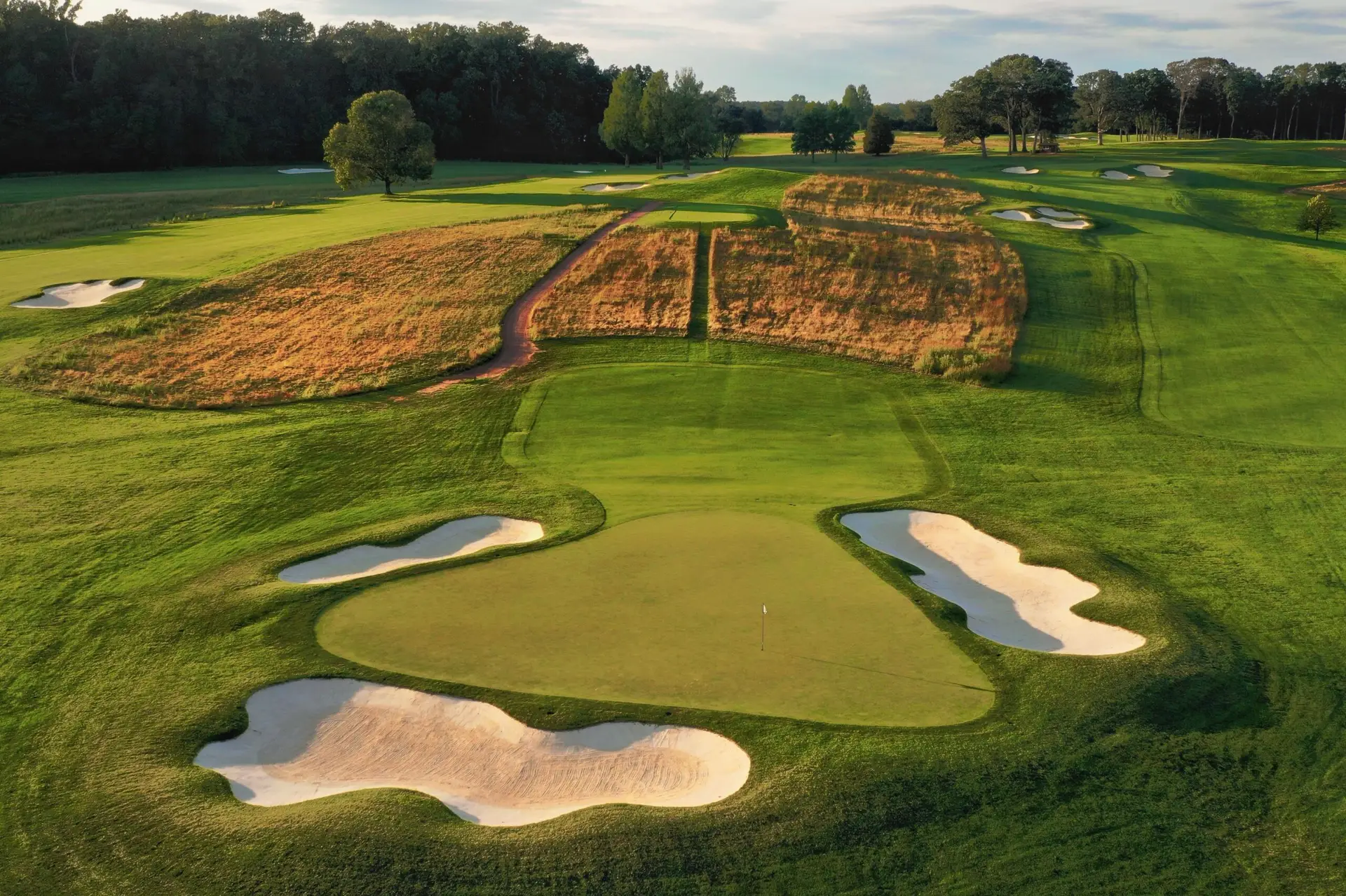
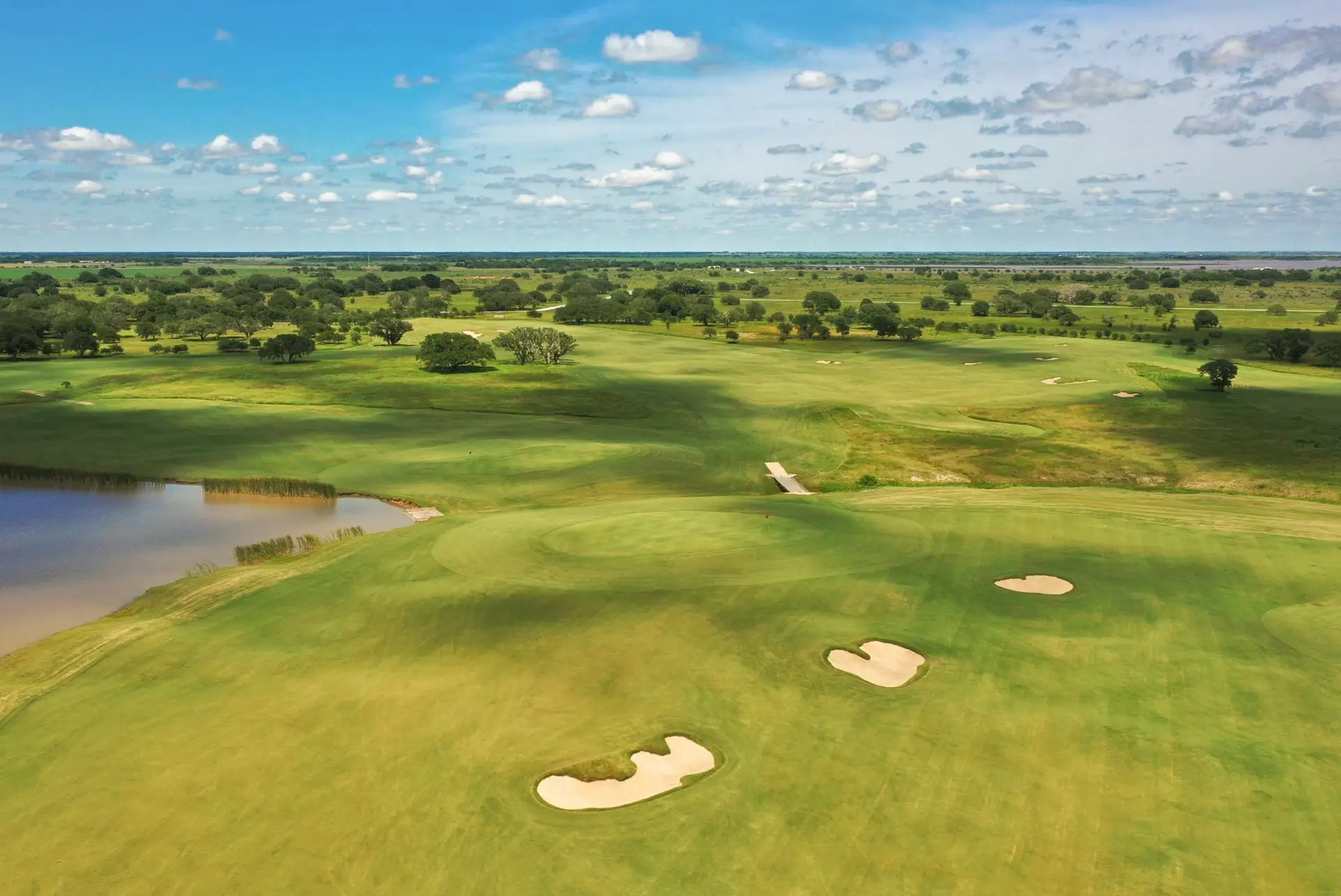
Every would-be owner has a different vision for the course they want to call home. At Wolf Point Ranch near Houston (now known as TXO), businessman Al Stanger asked Mike Nuzzo to turn his cattle ranch’s flat grazing land into a layout that would suit his game—and give him a home-field advantage over guests.
“Anytime I asked Al a question, he wanted it harder,” Nuzzo says. “He wanted the local knowledge to work to his benefit. And he didn’t want to waste time hunting for balls. So it wound up being 90 acres of fairway, which is ridiculous. But, you could literally be 10 yards from someone else and have a terrible angle to the hole location compared to theirs. So that local knowledge pays off.”
John Fry, owner of Fry’s Electronics, asked Damian Pascuzzo to make his San Martin, Calif., course a toughie, too. Pascuzzo delivered a 7,900-yard brute that hosted NCAA regional contestants in 2023 behind its privacy wall of cypress trees. Normally, the course is lucky to average a round or two a day.
In Maryland, then-Sallie Mae CEO Albert Lord turned his 335 acres of countryside over to Arthur Hills and Steve Forrest, whose creativity yielded a 7,000-yard track that includes multi-fairway holes that would never fly on a public course. Lord’s neighbor to the south, the late real estate developer Robert H. Smith of Upperville, Va., accumulated his golf course; he started with a backyard putting green, then built three holes, then three more, and eventually worked his way up to a full 18, which he named Heronwood.
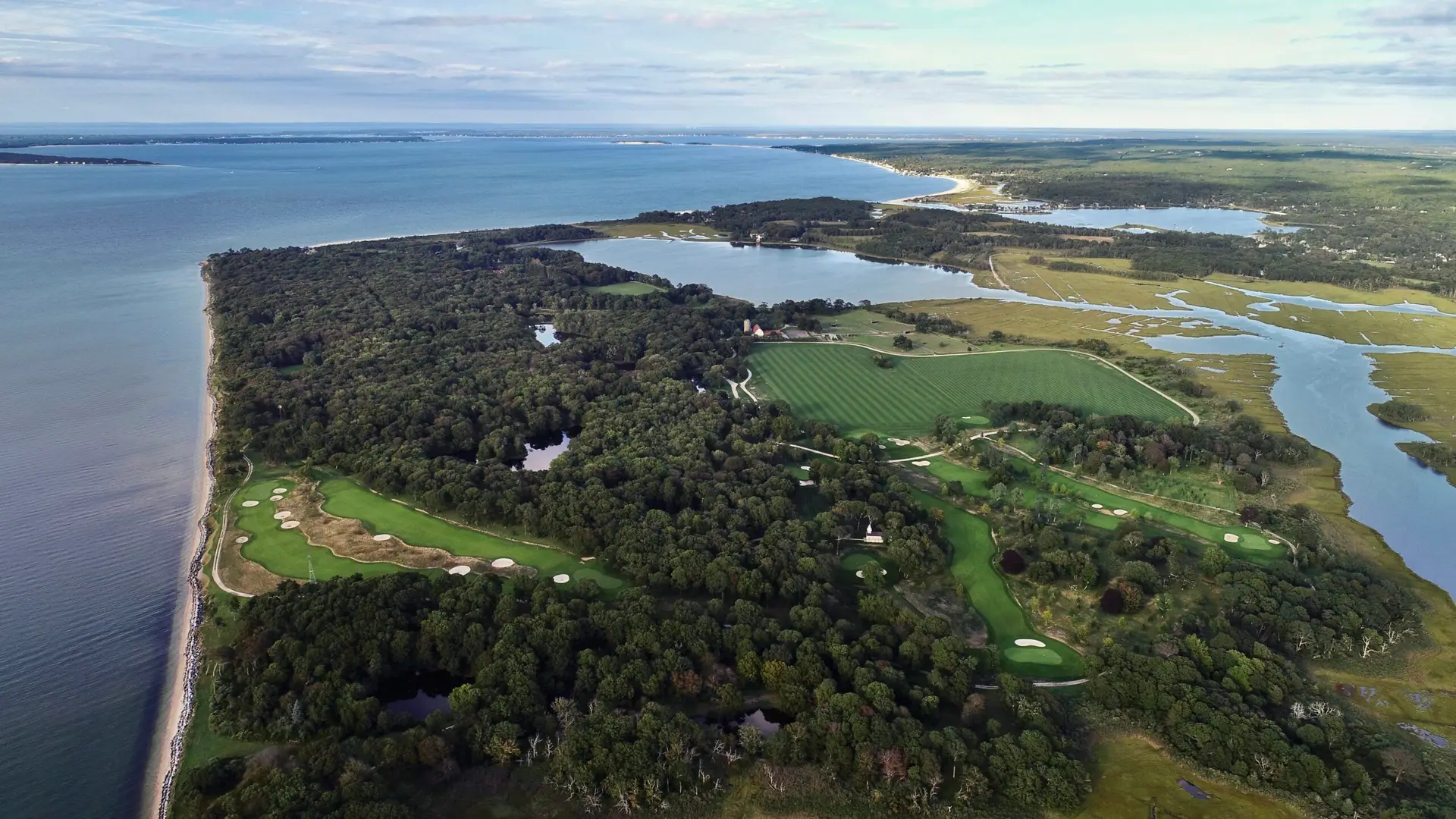
New York’s Long Island has been a particular hotbed for estate courses. Wall Streeter Louis Bacon’s 9-hole Cow Neck Preserve course on Peconic Bay is more exclusive than Shinnecock Hills. Nearby, Rees Jones summoned all his powers to design two personal courses in the area: At the Schonfeld Estate, four greens and a variety of teeing areas allow players to enjoy 3-, 4-, or 9-hole loops, with five different ways to play nine; at The K Club at Three Ponds Farm, some of the holes again share greens, fairways crisscross, and there’s even an old barn in the line of play.
“Ed Gordon bought the land across the street from Atlantic [Golf Club] and asked me if I could build a few holes,” Jones remembers about The K Club. “I said, how about nine? He said, ‘Why don’t we do 18?’ We built it with two greens in the center, and the center green, which is like a triple green, has three flags. At Schonfeld, all the holes have just one flag. Every one of these properties has a different solution.”
Jones enjoys the latitude these kinds of projects allow designers. “You’re not restricted by having to accommodate a certain kind of player,” he says. “You have freedom to do whatever you want because this is a one-person, one-owner golf club where the owner allows his friends to play. Nobody’s paying dues.”
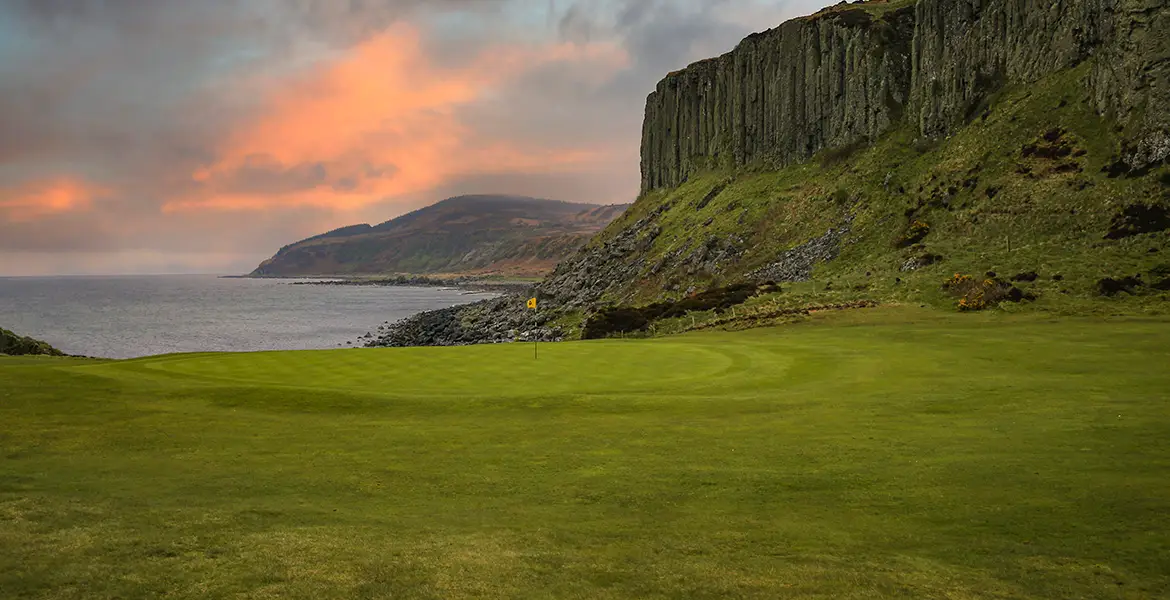
Private estate courses aren’t confined to the U.S. Australian financier Greg Coffey searched the world over for a site for his personal course before settling on the Scottish island of Jura, where the beach-to-cliffs links that architect Bob Harrison designed at the Ardfin estate now welcomes—and dazzles—guests. Another Aussie, the late media magnate Kerry Packer, hired Greg Norman to create his exclusive one-owner course, Ellerston, in New South Wales, and gave The Shark carte blanche to site it anywhere on the remote, 70,000-acre Packer estate.
Then there’s the late Austrian billionaire Dieter Mateschitz, founder of Red Bull. After purchasing Malcolm Forbes’s 3,500-acre private island in Fiji, he insisted his personal retreat have a serious golf course. David McLay Kidd got the call. But, initially, Kidd’s answer was no.
“I wasn’t very keen on it,” the droll Scotsman says. “Fiji was just too far away. But they insisted on a meeting and sent someone from South Africa to London to persuade me. And the guy says, ‘Write down a number.’ So I take this piece of paper, write down a number, and say, ‘There you go. If you can make that work, you’ll have my interest.’” A phone call later, Kidd had the job.
“And I realized, oh f—, now I’ve got to go to Fiji!”
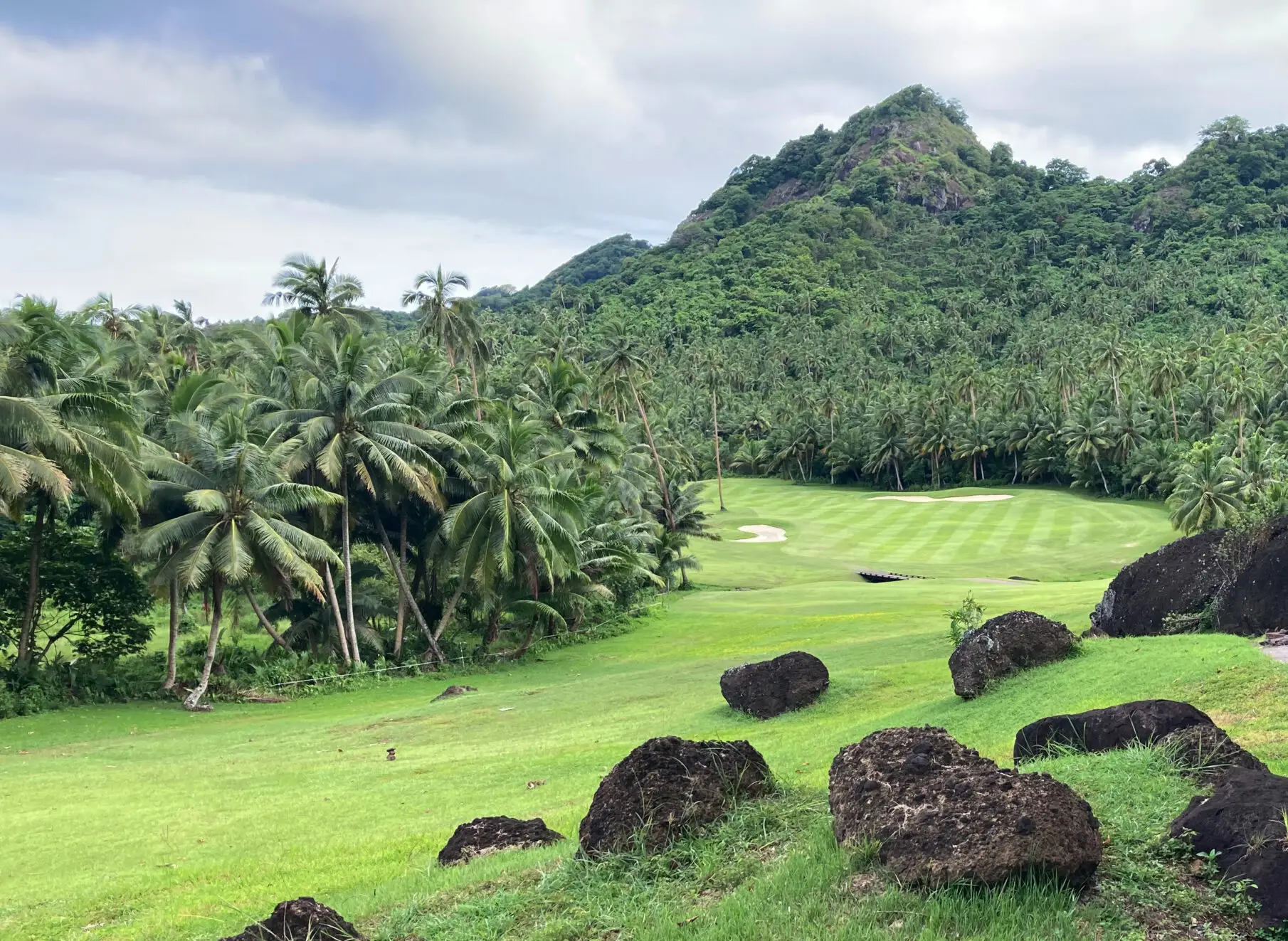
The tales Kidd tells about creating that remote Laucala Island course—exploring the site by machete, bales of sprigs lost at sea (then miraculously recovered), constant battles with the Fijian weather—are enough to curdle your pinã colada. But the result was a track worth traveling halfway around the world to play, with panoramic views of turquoise ocean and holes bordered by jungle too dense for King Kong. Today, COMO Laucala Island is an ultra-exclusive resort that anyone can visit—and tee it up on one man’s personal dream.