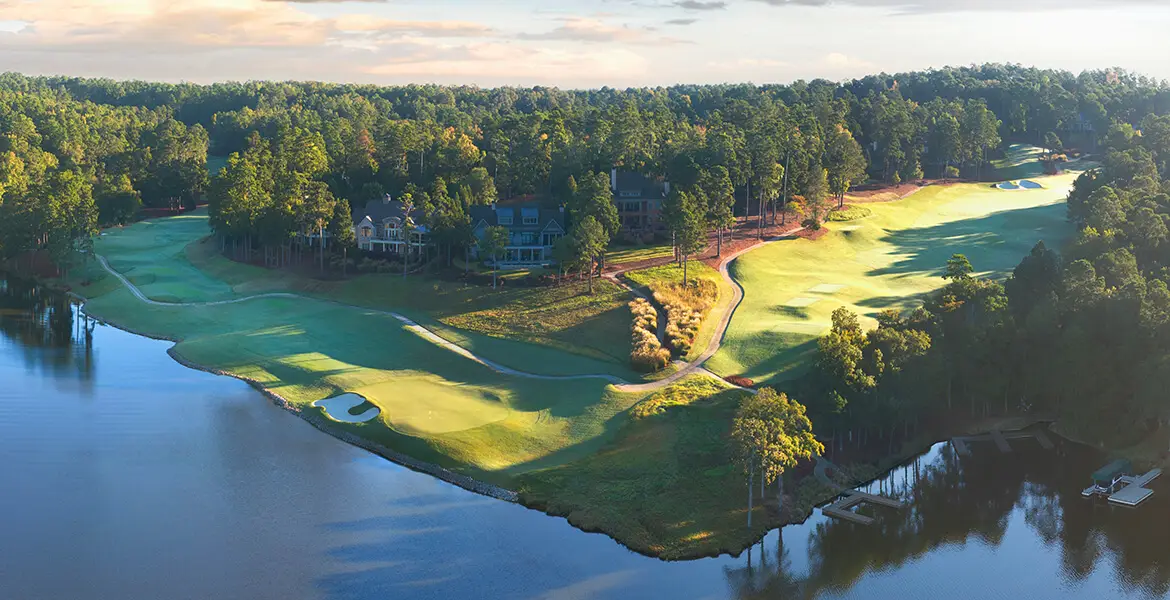
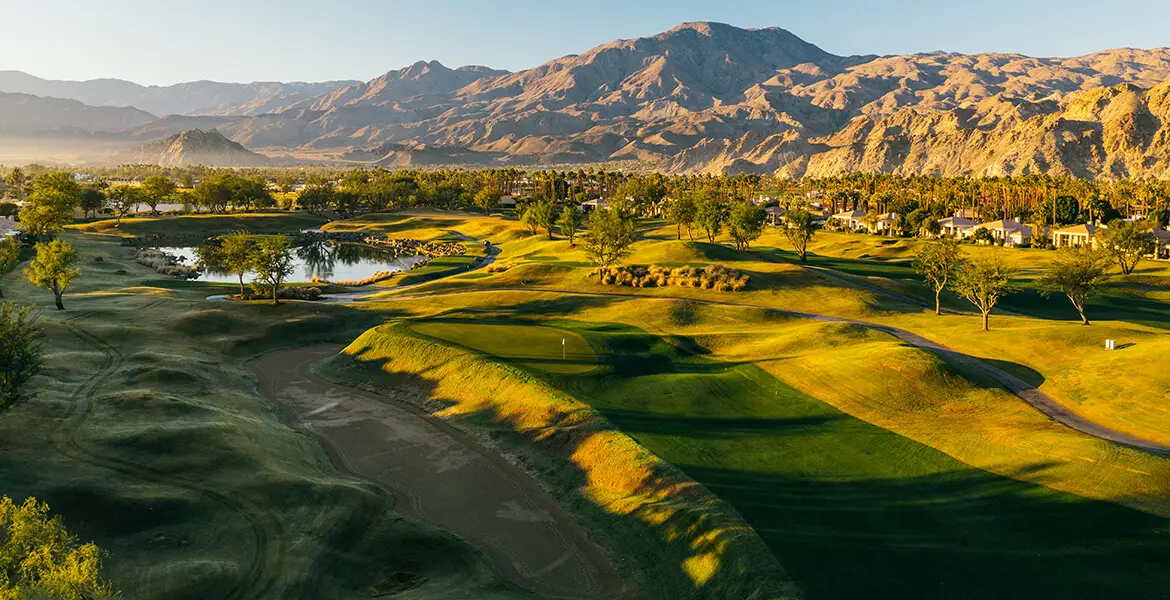
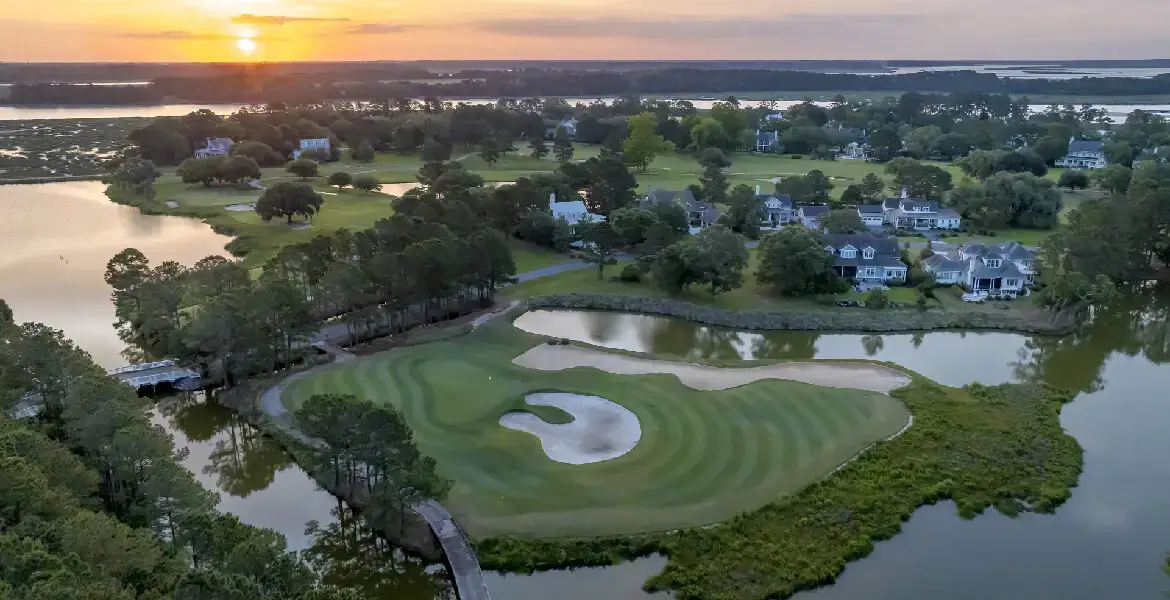
It has certainly never been regarded as something to be ashamed of. Nor has it ever been thought of as a dirty word. But describing a course as “parkland” seems to be more whispered quietly than proclaimed confidently, and it’s noticeable how sparingly the word is used. Look for it and you’ll find it, of course—there are more courses of this type than any other in the U.S. and UK, after all. But rarely will you see even the best parkland courses in the world describe themselves as such.
Parkland golf is generally associated with a very specific type of course—deciduous trees, lush turf, heavy soil, and fairly minor changes in elevation. Why parkland is commonly considered a very pleasant place to be, but parkland golf isn’t something many people get terribly excited about, isn’t entirely clear, though it probably has something to do with the first inland courses in Britain being almost universally bad with only a few exceptions. When the game first ventured away from the coastline and was created in heavily populated areas (that had been created during the Industrial Revolution) in the latter part of the 19th century, the courses tended to be formulaic and laid out in places less than ideal for building great golf courses.
On a landmass as vast as North America with so many different climates, millions of years of geologic and volcanic activity, forestation, erosion, and countless other physical processes at work, there will naturally be a great many different types of golf course. But of the 16,000 or so in the U.S., the majority are parkland in nature and, indeed, many of its very best courses are of that type.
The forces that shaped the islands of Great Britain and Ireland were different, of course, and with the way the game evolved there, parkland golf took something of a back seat. Indeed, despite their number, only a handful of parkland courses are regularly ranked inside the countries’ top 100s (Loch Lomond, Downfield, Bruntsfield, Royal Burgess, Monktonhall in Scotland; JCB, the Grove, Wentworth West—a parkland/heathland hybrid—the Marquess at Woburn, the Belfry in England; Celtic Manor, Monmouth, St. Pierre in Wales; Druid’s Glen, the K Club, Adare Manor, Mt. Juliet, Luttrellstown in Ireland). It’s much the same in Australia where Melbourne Sandbelt, Mornington Peninsula, and Tasmanian sand-based courses dominate the top of the rankings.
Because of that, the quartet on our Mount Rushmore of parkland courses are all on this side of the Atlantic/Pacific.
Augusta National Golf Club—Augusta, Ga.
Because Augusta National is so remarkable, appears in so many of our top 10 lists, and because we see it on TV every year, there’s not an awful lot you don’t already know about the home of the Masters. But we’re betting you’ve rarely heard it referred to as a parkland course.
The soil in this part of Georgia is described by the USDA as a fine, sandy/clay loam. That’s a pretty good combination for golf already, and when playing surfaces receive as much attention as they do at Augusta National, they tend to play firmer and faster than at most parkland courses which are typically much softer.
The pine trees and granulated quartz bunkers might put some in mind of a heathland course, but with its fairly lush, green turf; man-made water features at 11, 15, and 16; and array of colorful flowers, Augusta National is surely more parkland than anything else. But oh, what a parkland course!
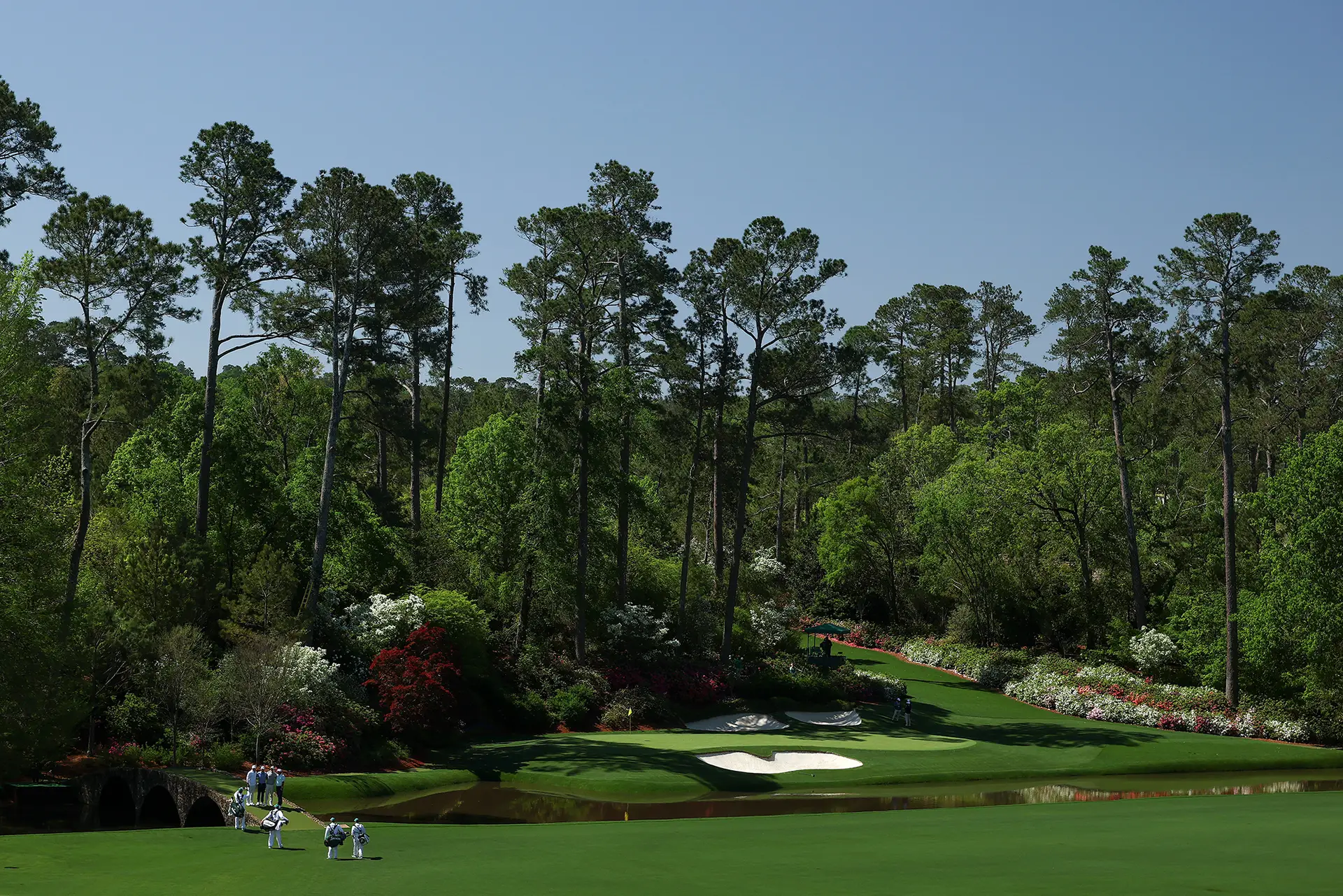
Merion Golf Club (East)—Ardmore, Pa.
The host of five U.S. Open Championships (with three more scheduled between now and 2050), six U.S. Amateur Championships (it holds its seventh in 2027), four U.S. Women’s Amateur Championships, two Curtis Cups, a Walker Cup, and two U.S. Women’s Opens on the way (as well as being the scene of Bobby Jones’s Grand Slam-earning U.S. Amateur win in 1930 and Ben Hogan’s incredible U.S. Open comeback in 1950), Merion is among the nation’s most historic, significant, and important courses. The fact it has been ranked inside the U.S.’s top 10 courses every year since 1971 is also fairly notable.
The trees prevalent in this part of Pennsylvania are white and red oaks, sweetgum, beech, maple, hickory, and walnut. And the turf is creeping bentgrass (greens, fairways), poa annua (tees), and ryegrass, Kentucky Blue, Zoysia, bentgrass, and a little fescue (rough). It’s classic parkland and definitely worthy of Mount Rushmore.
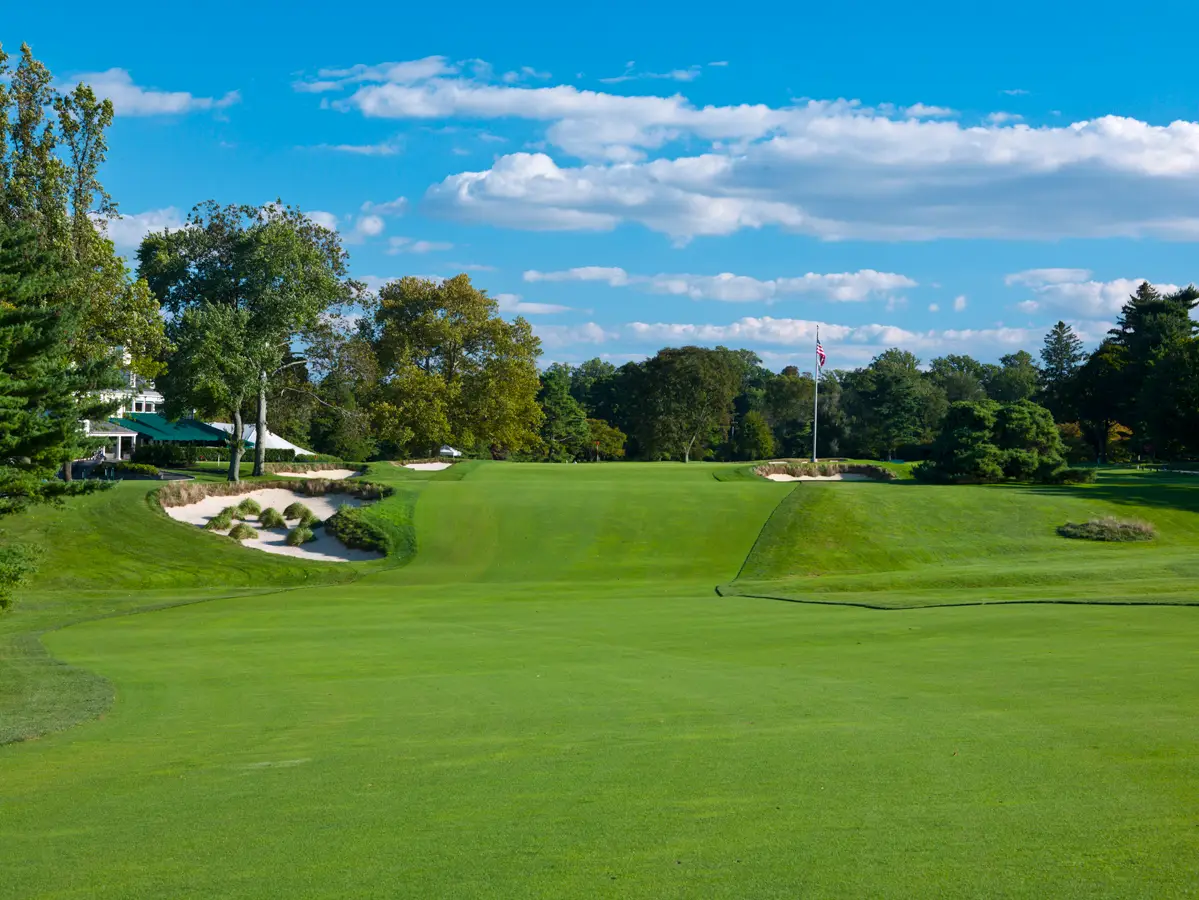
Riviera Country Club—Pacific Palisades, Calif.
Again, you very rarely hear George Thomas’s Pacific Palisades masterpiece called a parkland course but, really, how else would you describe it? There are plenty of trees—eucalyptus (“gum”), palms, and sycamore—and the turf is predominantly Kikuyu, a thick, unyielding, African pasture grass.
The course opened in 1926 and was originally known as the Los Angeles Athletic Club Golf Course. It has hosted the Los Angeles/Northern Trust/Nissan Open and Genesis Invitational 61 times and has been the stage for a U.S. Open, two PGA Championships, a U.S. Senior Open, and U.S. Amateur. In 2027, it stages its first U.S. Women’s Open and, in 2028, the golf tournament at the Olympic Games will be held there. A great course with a healthy championship pedigree.

Bethpage State Park (Black)—Farmingdale, N.Y.
The venue for the 2025 Ryder Cup was most likely designed by A.W. Tillinghast with a significant assist from Bethpage State Park’s longtime superintendent Joseph Burbeck (though it has been suggested, if not asserted, Burbeck played a more significant role in how the course turned out). It opened in May 1936 and was the fourth of the five courses (Green, Blue, Red, Black, Yellow) to be built at Bethpage, 30 miles east of New York City. The soil here, too, is a mostly sandy/silty loam with a little clay, and oak trees pervade though pines, maple, cherry, and cedar are also evident.
The course first hosted the U.S. Open in 2002 and did so again in 2009. In 2019, the PGA Championship was played here. The KPMG Women’s PGA Championship comes to the Black course in 2028, and the PGA Championship returns in 2033.
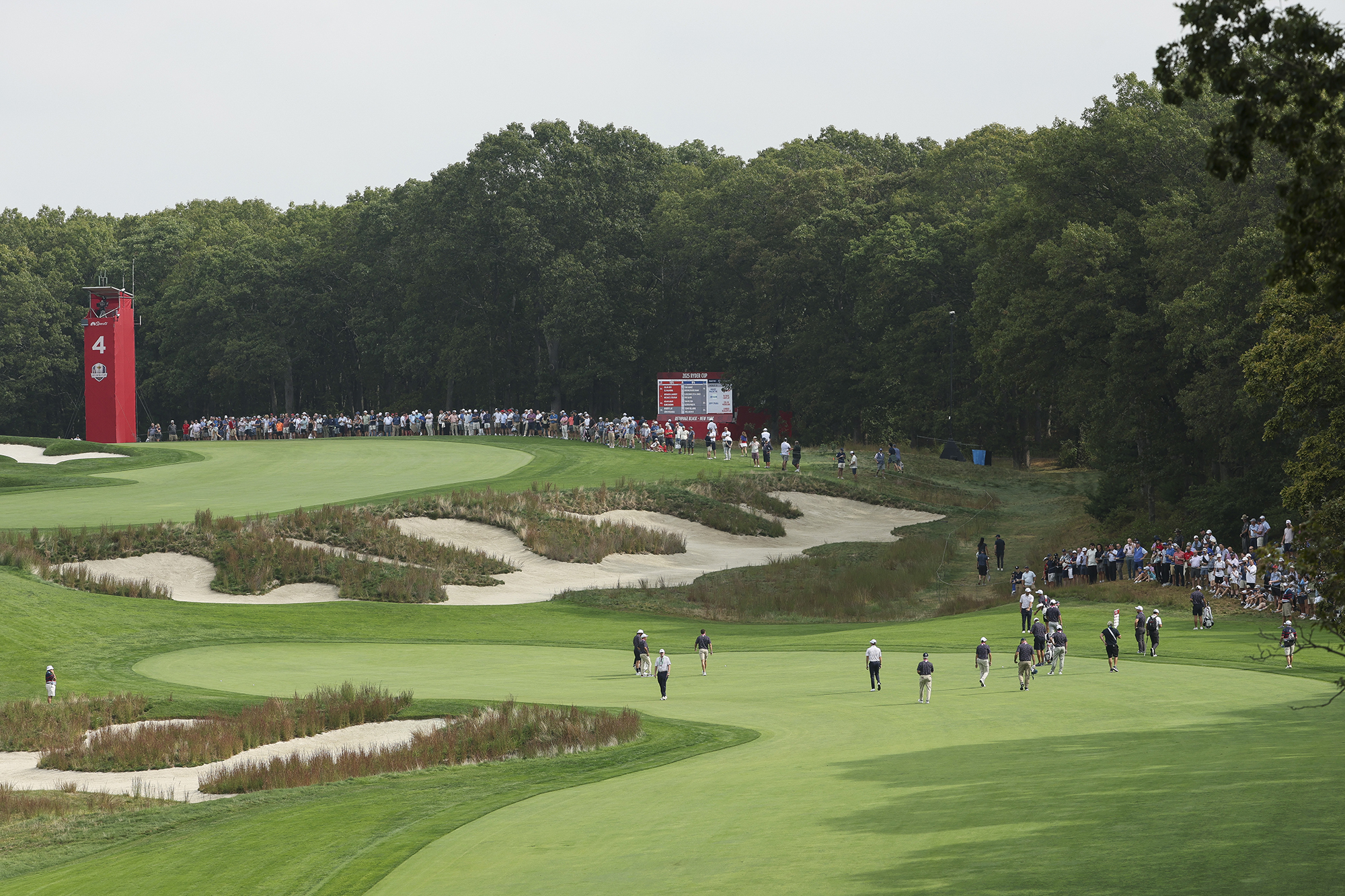
What, no Oakmont?
Leaving out a 10-time U.S. Open venue was obviously a difficult decision, but it is well known the course was originally built (1903) on largely barren farmland and modeled on British links courses. It only took on its tree-lined, park-like appearance after the decision was made to plant trees beginning in the 1950s. In the mid-1990s the club began to remove them, a process that continued through the first decade of the 2000s.
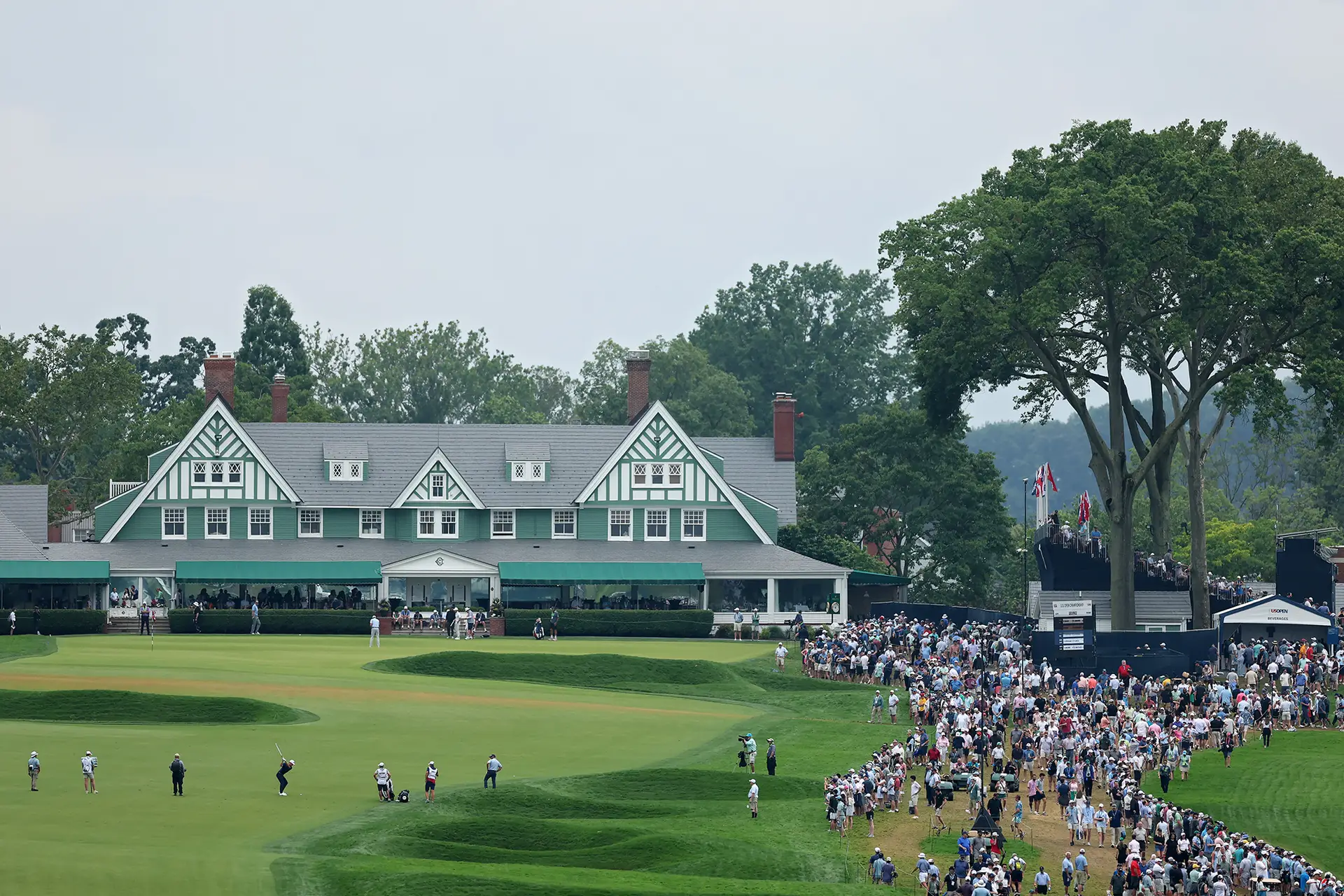
Honorable Mentions
There are dozens of great parkland courses in the U.S. which many readers will believe should have appeared on the mountain. Besides Oakmont, the toughest to leave off was Chicago Golf Club, which is not only an exceptional course but has also hosted three U.S. Opens, a U.S. Amateur, and two Walker Cups. The last time the U.S. Open was played there, however, was 114 years ago.
Other U.S. Parkland Greats
Baltimore
Baltusrol (Lower)
Camargo
Congressional
The Country Club
Crystal Downs
Essex County
Fox Chapel
Garden City Golf Club
The Golf Club
Inverness
Medinah (III.)
Muirfield Village
Myopia Hunt
Oak Hill (East)
Oakland Hills (South)
Old Town
Olympic (Lake)
Pasatiempo
Peachtree
Ridgewood
San Francisco
Scioto
Shoreacres
Somerset Hills
Southern Hills
Winged Foot (West)